
Feature: Lars Bygdén
Lars Bygdén Interview zum neuen Album
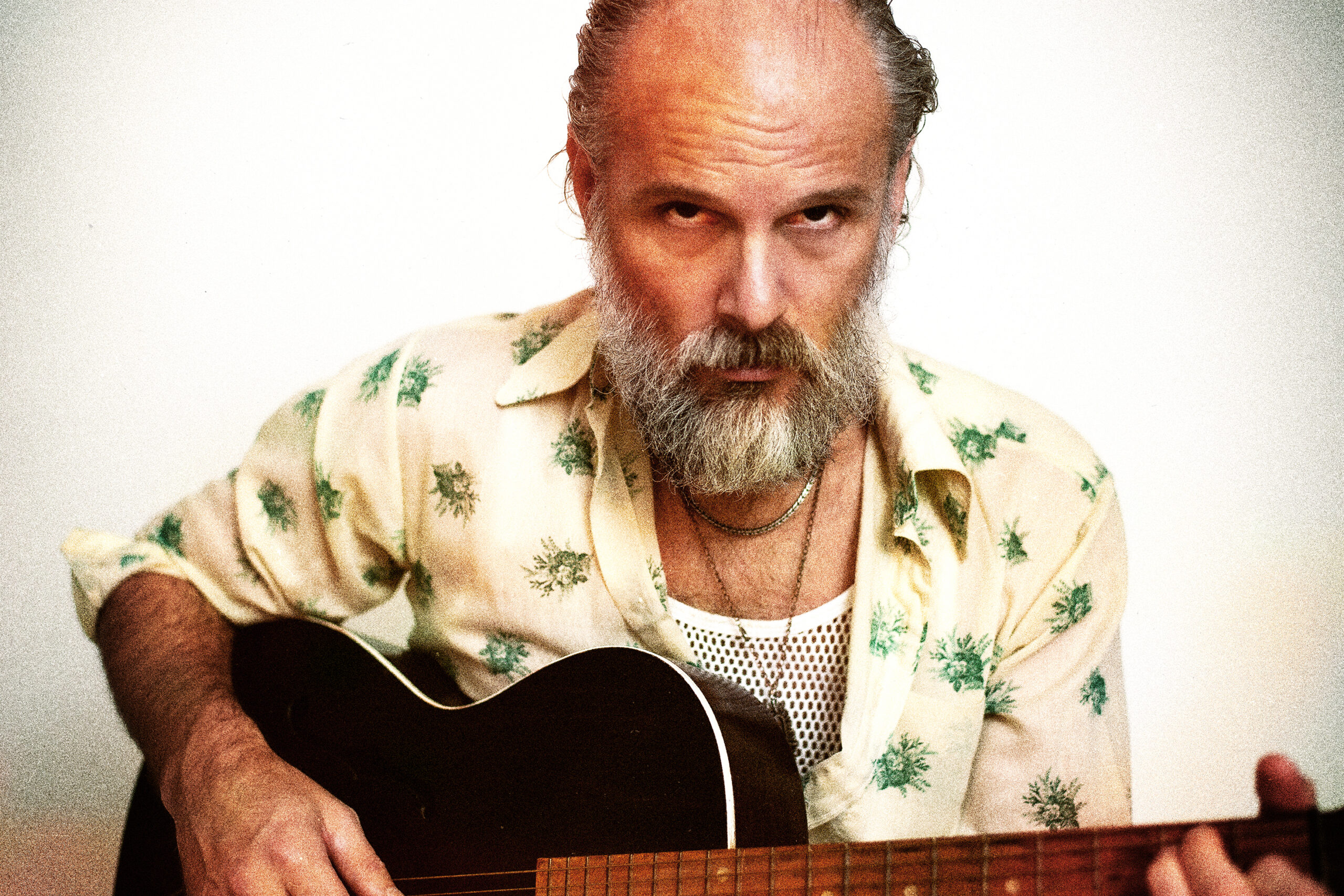
Lars Bygdén im Interview zum Album „War“; Fotocredit: Pär Wickholm
Manchmal braucht ein Album Jahrzehnte, um seine eigentliche Form zu finden. Bei Bei Lars Bygdén reicht die Idee zu „War“ bis in die frühen 1990er-Jahre zurück. Damals sprach sein Lehrer Dan vom Pendel zwischen Licht und Dunkelheit, das nicht von allein zurückschwingt. Auf seinem neuen Album macht Lars daraus aber eine eindringliche Auseinandersetzung mit seiner Welt, in der Wissen zunehmen gegen Überzeugungen und Vernunft gegen blinde Emotionen ausgespielt werden. Musikalisch bleibt der Songwriter dabei im Americana und nordischem Folk verhaftet und öffnet seinen Sound aber für auch elektronische Elemente und dramatische Arrangements. Gemeinsam mit Ola Gustafsson entstehen Kontraste zwischen ruhigen, beinahe intimen Momenten und einer kraftvollen, mitunter düsteren Klangkulisse. Gerade der Titeltrack „War“ zeigt, wie viel Druck und Dringlichkeit in diesem Songwriting stecken können.
Im Interview betont Bygdén, dass er trotz aller gesellschaftlichen Verwerfungen nicht an die Wirkungslosigkeit des Einzelnen glaubt. Es geht darum, bei den kleinen Dingen nicht aufzugeben: im Umgang miteinander, in Gesten der Freundlichkeit und in der Bereitschaft, Verantwortung zu übernehmen. Diese Haltung bewahrt „War“ davor, in bloßer Hoffnungslosigkeit zu versinken. Gleichzeitig macht Bygdén deutlich, dass sich der persönliche Verlust, den er auf seinem Vorgänger „One Last Time for Love“ verarbeitet hat, nicht einfach mit politischer Dunkelheit gleichsetzen lässt. Beide Erfahrungen bleiben eigenständig.
Dabei ist „War“ kein Album, das einfache Antworten liefert.
The idea of the pendulum between light and darkness seems to be at the very heart of “War”. Your teacher Dan introduced this idea to you back in the early 1990s, yet it still feels incredibly relevant today. Why do you think this image has stayed with you for so many years, and what made you feel that now was the right moment to turn it into an album?
Lars Bygdén: „Yes, exactly as you say, it’s a powerful image, and it also offers some kind of explanation for things that are difficult to take in. For me, for example, it’s completely incomprehensible how exactly the same vile ideas about human differences, based on where people happen to have been born, can gain such strong support again, just one lifetime after what happened during the Second World War. But it seems that this is where we end up as a civilisation if we constantly embrace what we feel and believe and reject what we know and can empirically prove. If you read my lyrics, I think you can find echoes of these things going all the way back to my first records. But on this album, they became more consistent.“
You describe “War” as a conflict between reason and emotion, knowledge and ignorance, and ultimately between good and evil. That is a very powerful and, at times, dark perspective. Was writing these songs a way of making sense of this darkness for yourself, or did you also want the album to actively push the pendulum back towards the light?
Lars Bygdén: „Of course I want to have an impact too, and even though I don’t think an old songwriter from northern Sweden makes much of a difference, I also believe in the idea that all the small things we do affect the bigger picture much more than we think. A smile from a stranger on the subway can make your whole day better, and I really believe that everything we do rubs off on others. The bad as well as the good. Unfortunately, our modern means of communication seem to have a tendency to favour the bad.“
There is an enormous musical force in these songs. Americana and Nordic folk are still at the core, but the arrangements also make room for analogue and electronic elements. How did you approach the production to make the music carry the weight and urgency of the ideas behind “War”?
Lars Bygdén: „First of all, thank you for saying that, it makes me happy and proud. To answer your question, I think every song requires its own approach, but of course there are some broader ideas as well. For example, I like working with contrasts. I think an Americana record, or whatever the hell it is I’ve made, becomes more interesting when there are other sound worlds in it than just the traditional ones.“
You recorded the entire album at Studio Atlantis and worked closely with Ola Gustafsson for the first time. What did that collaboration bring out of you as a songwriter and performer, and did working with someone else change the way you heard these songs?
Lars Bygdén: „It was incredibly easy and positive working with Ola. He’s such an immensely talented musician and human being. I had this idea beforehand that this record would be more guitar-driven. At first, I thought I would play more guitar myself, but I gave up on that idea because I get stuck thinking that I’m no good at it. It turned out to be much more positive to send things I’d made to Ola and get back presents in the form of string landscapes he had built up. It’s also a huge asset to have him with you in the studio, both as an arranger and for his ideas. He’s also a fun person to be around. When I read my answer now it sounds like I’m in love with him. Well, maybe I am.“
Your previous album One Last Time for Love came from a deeply personal experience of grief and loss, while “War” turns its attention much more explicitly towards society and politics. Did moving from the personal to the political change the way you wrote, and did you find any connection between these two kinds of darkness?
Lars Bygdén: „After the previous album, I felt that I was done writing about the grief over Ulrika. The album before that was also largely about that process. But I think politics has always been present in music. On One Last Time for Love, perhaps especially on Amnezia, which is almost a bit of a prophecy of what’s coming next. (Before it’s over. We’ll be going off to war…) But to answer your question, no, I find it difficult to see any such connection between political darkness and the darkness that comes when someone you love slowly dies in front of you. At the same time, as I say/write this, I know that I often discover things I’ve written that can be applied to different situations, like watching the land and the values I was brought up in slowly die in front of you. So yes, sometimes when you think someone writes about something, it might just happen to be about something totally different than what you think. And that’s all good!“
Dan believed that the pendulum would swing back, but only if we give it a push ourselves. After spending so many years watching the world move in the direction he warned you about, what does “pushing the pendulum back” mean to you today – both as a person and as a musician?
Lars Bygdén: „I think for me it means not giving up on the small things. That what I say and do, and how I treat the people I come into contact with in my little life, matters and makes a difference. Everything is connected.“
Sie sehen gerade einen Platzhalterinhalt von YouTube. Um auf den eigentlichen Inhalt zuzugreifen, klicken Sie auf die Schaltfläche unten. Bitte beachten Sie, dass dabei Daten an Drittanbieter weitergegeben werden.
 Vorheriger Beitrag
